Skilling, healthcare investment, growth capital, early-stage tax relief: What women entrepreneurs want from Budget 2026

Women entrepreneurs are a central force in shaping the country’s economic growth.
According to government data, women run 2.2 crore MSMEs, reflecting a remarkable surge in women-led enterprises. These enterprises generated over 89 lakh additional jobs for women from FY21 to FY23.
Nearly every second DPIIT-recognised startup now has at least one woman director, signalling a structural shift in who is building India’s innovation economy. At the grassroots, initiatives such as Lakhpati Didi have further widened the entrepreneurship pipeline, enabling around 2 crore women from self-help groups to cross annual incomes of Rs 1 lakh or more through diversified livelihoods and micro enterprises. At the national level, 70 central schemes across 15 ministries and more than 400 state-level schemes focus on supporting women’s entrepreneurship.
The momentum is increasingly visible in India’s startup ecosystem as well. Union Minister Jitendra Singh has said that around 76,000 startups in India are women-led, many of them founded outside the metros.
As the Union Budget 2026 approaches, HerStory spoke to women founders and leaders to understand what they want.
Women entrepreneurs leading growth-oriented businesses expect not just access to credit but also scale capital, simplified compliance, market integration, and policy continuity.
Sustained investment in skilling and infrastructure
Meghna Agarwal, Co-founder, IndiQube, a provider of flexible workspace solutions

It’s a well-known fact that if India’s female labour force participation rate reached 50%, in line with global counterparts, the GDP would increase by 1.5 percentage points. Budget 2026 has the opportunity to give impetus in this direction and treat women not as a special category but as a core economic growth engine. The focus should be on building systems that allow women to participate, lead and scale at parity.
Despite women owning nearly 20% of MSMEs in India, they receive less than 7% of formal credit, highlighting a significant scale gap. Addressing access to growth capital beyond early stages through targeted credit guarantees and incentives for institutional funding can unlock scaling and job creation.
Equally critical is sustained investment in skilling, childcare infrastructure, and flexible work models. Studies consistently show that the availability of childcare and flexible work options can improve women’s workforce participation by over 10 percentage points. Simplified compliance and incentives for gender diverse leadership can further amplify outcomes, creating long-term and economy-wide impact.
Investments in the care economy

Preetha Reddy, Executive Vice Chairperson, Apollo Hospitals Group, a private hospital network
Building on the momentum of previous Union Budgets, this is an opportunity to take women-led entrepreneurship to the next level. The Budget can further strengthen access to collateral-free credit, expand credit guarantees for women-led MSMEs, and simplify compliance to make formalisation easier and faster.
Strategic incentives for women-owned enterprises, stronger market linkages, and wider participation in public procurement can unlock scale and sustainability.
Equally important, investments in the care economy, including quality childcare, safe mobility, and digital skilling, can create enabling conditions for women to lead and innovate with confidence. Women’s health, too, is a powerful economic catalyst.
Greater emphasis on preventive healthcare, nutrition, and maternal and reproductive health improves workforce participation, productivity, and long-term wellbeing.
Strengthening India’s femtech ecosystem
Divya Balaji Kamekar, CEO & Co-founder, Pinky Promise, an AI/ML-powered digital clinic for women’s health
The upcoming Budget is a critical opportunity to prioritise women’s health—an area with enormous impact on families, workforce participation, and national productivity.
By supporting indigenous AI-driven diagnostics and scalable digital health platforms tailored to women’s health needs and designed to complement the clinical workforce, the government can unlock faster and more equitable access to care.
Policy clarity, targeted incentives, and easier access to capital for women-led enterprises can further strengthen India’s femtech ecosystem and accelerate solutions built specifically for women. These investments will deliver healthier communities and sustained, inclusive economic growth.
Investing in health, nutrition and safety
Prachi Kaushik, Founder and Director, Vyomini Social Enterprise
With a growing number of women owning startups and small businesses, a dedicated committee to guide investments and prioritise funding for women-led enterprises is essential.
For women, building self-help groups and enabling access to credit or scaling up programmes such as Lakhpati Didi can help achieve long-term economic independence. Investing equally in health, nutrition and safety is crucial to have full participation of women in the workforce..
Sharper tax incentives
Rachel J Amirtharaj, fashion designer and Founder, La Fantaisie, a Christian wedding gown brand
Women-led businesses are already doing the hard work of strengthening India’s economy, creating jobs on the ground, and building enterprises meant to last.
As we look ahead to Budget 2026, policy needs to catch up with this reality. Easier access to credit, sharper tax incentives, and dedicated investment platforms for women-led startups can address long-standing structural gaps. Simplifying compliance and offering early-stage tax relief would allow more women to formalise, scale and compete on an equal footing. Supporting women entrepreneurs is not social welfare; it is sound economic thinking that fuels growth and inclusive development.
From starting up to scaling up
Naiyya Saggi, Co-founder & CEO, EDT, a consumer appliance startup
Over the last decade, the government has laid strong foundations for entrepreneurship: from digital public infrastructure to MSME and women-focused schemes. The opportunity now is to compound this momentum and help more women founders scale.
A few areas where the next push can make a real difference:
Deepening early-stage capital for women founders
India has made progress with Funds of Funds and SIDBI-backed programmes. The next step is more first-cheque risk capital, especially since women founders still receive only 2–3% of VC funding, despite starting a much larger share of new businesses.
Expanding credit access beyond collateral
Schemes like MUDRA have widened access. Building further flow-based and invoice-linked credit models would help, especially since 75–80% of MSME loans still require collateral.
Unlocking procurement as a scale lever
The 3% procurement target for women-led MSMEs is a strong signal. Simplifying onboarding and speeding up payments can help more women-led firms actually benefit from it. India has built the rails. This budget can help more women founders move from starting up to scaling up.
Access to growth capital
Priti Rathi Gupta, Founder, LXME, a finance and investment platform for women
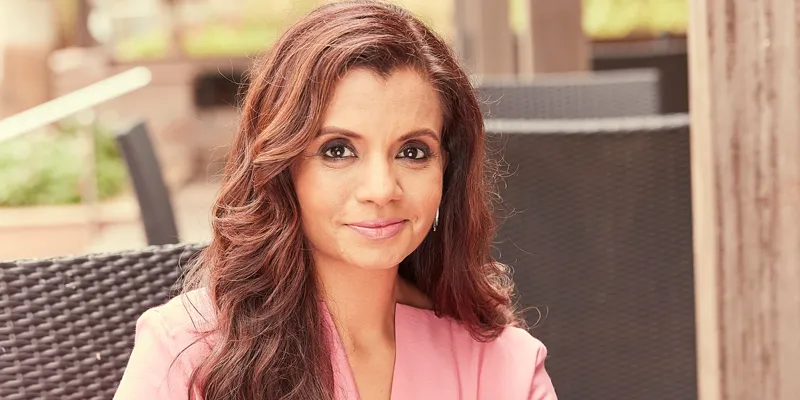
Access to growth capital that is collateral-free, simplified taxes and GST in the initial operating years, and easy digital access to programmes run by the government are the most distinct requirements in the case of women-owned ventures.
Despite strong business fundamentals, too many women founders are confronting roadblocks in access to capital due to limited credit history and biases of the traditional funding ecosystems.
What is also needed is stronger encouragement for investments in women-founded startups, alongside greater financial and digital credit awareness among nascent women entrepreneurs, to ensure they are not hindered in their growth and can scale and generate long-term wealth.
Targeted export initiatives
Radhika Ghai, Founder & CEO, kindlife, a beauty and wellness platform
As a woman entrepreneur in the beauty-tech space, I’ve seen firsthand how the government’s recent initiatives, like the Rs 2-crore term loans for first-time women founders, are game changers. For Budget 2026, we need these wins to deepen.
Extending the startup incorporation timeline for tax benefits beyond 2030 would give women-led ventures more runway, especially since we often bootstrap longer before seeking institutional capital.
What would truly accelerate our growth? Dedicated credit guarantee enhancements specifically for women exporters, simplified GST input credit mechanisms that don’t lock working capital, and mentorship programmes connecting women founders with global markets.
The D2C beauty sector is majority women-led. Targeted export incentives and R&D grants for clean beauty innovation would position us as global players, not just local disruptors.
link