
Vanilla Bean Market Size, Analysis, and Forecast Report
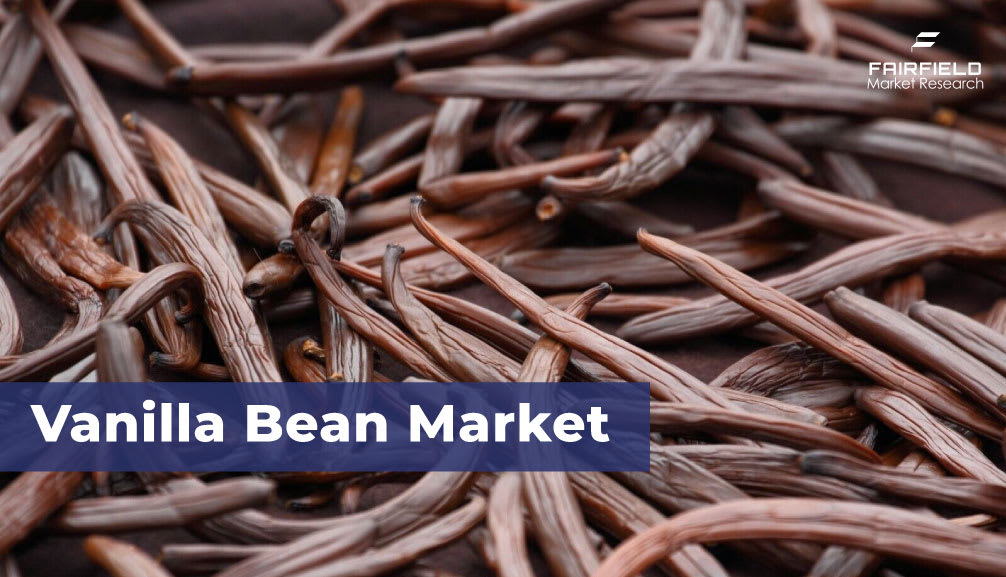
The global vanilla bean market is undergoing a significant transformation, driven by rising demand for natural flavors, sustainability in sourcing, and innovations in packaging and agriculture. With a projected market size of US$ 1.71 billion by 2032, up from US$ 1.19 billion in 2025, the market is set to grow at a healthy CAGR of 5.4% during the forecast period. Vanilla beans—sought after for their rich aroma, clean-label appeal, and versatility—are playing a vital role across food, beverage, cosmetics, and nutraceutical applications.
Market Size and Key Insights
Vanilla continues to be one of the most recognized and desired natural flavors globally. It is widely used in food and beverage products such as premium ice creams, bakery items, beverages, and even plant-based and functional foods. In the U.S. alone, 45% of consumers associate vanilla with relaxation and comfort, according to International Flavors & Fragrances Inc., contributing to vanilla’s continued success in the functional foods and wellness space.
North America remains the largest importer and consumer of vanilla beans, while Europe—especially France, Germany, and the Netherlands—accounts for over 70% of the continent’s vanilla imports, driven by demand in premium baked goods and clean-label products.
Meanwhile, emerging players like India, Indonesia, and Japan are stepping up cultivation, helping diversify global supply chains.
Key Growth Drivers
1. Clean Label and Natural Flavor Trends in F&B
The surge in demand for clean-label and non-artificial ingredients in the food and beverage industry is a significant growth engine. Vanilla’s natural origin, emotional connection, and flavor adaptability make it a top choice across traditional and emerging product segments. In Europe alone, vanilla appears in nearly 1,800 new food and beverage products annually, making it one of the most frequently used flavors in product innovation.
2. Technological Advancements in Cultivation
With supply and pricing volatility posing consistent challenges, innovations like indoor curing, greenhouse farming, and precision agriculture are improving yields and enhancing vanillin concentration. Companies like Vanilla Vida are pioneering sustainable, tech-driven farming to stabilize quality and ensure reliable output.
3. Growth of Ethical Sourcing and Sustainability
Consumer expectations are reshaping the supply chain. The Sustainable Vanilla Initiative (SVI), which covers over 70% of global vanilla production, promotes traceability, fair labor, and climate-resilient farming. Companies like Meiji Holdings and Vanilla Bean Project are aligning with these values to support farming communities and meet rising consumer demand for ethical sourcing.
Market Challenges
Uncertain Export Regulations and Government Policy
Frequent changes in export laws, minimum pricing, and communication delays—especially in major producing countries like Madagascar—create instability across the vanilla supply chain. These disruptions hinder long-term buyer commitments and create unpredictability for exporters and farmers alike. Consequently, brands are increasingly seeking alternative sourcing origins to reduce dependency on volatile regulatory environments.
Market Trends and Opportunities
Premium and Sustainable Packaging
Packaging is emerging as a powerful differentiator in the vanilla market. Brands such as Nielsen-Massey and Heilala Vanilla are embracing premium aesthetics, using glass bottles, metallic labels, and artisan packaging to convey authenticity, luxury, and quality. At the same time, sustainable options like compostable pouches and recyclable containers from companies such as Singing Dog Vanilla cater to the growing segment of environmentally conscious consumers.
Empowering Farmers and Building Resilient Supply Chains
There’s a growing emphasis on empowering vanilla farmers through training, fair trade partnerships, and access to innovative cultivation techniques. National organizations like VANEX (Vanilla Exporters Association) and international initiatives like SVI are working to build resilient, climate-smart vanilla supply chains that benefit farmers and buyers alike.
Regional Outlook
North America:
North America leads the global vanilla bean market, driven by strong demand in food, beverage, and personal care. The U.S. tops imports, with vanilla widely used in premium ice creams, snacks, and cosmetics. Collaborations with Madagascan farmers support ethical sourcing and traceability.
Europe:
Europe is a key market for organic and sustainably sourced vanilla. France, Germany, and the Netherlands dominate imports. With rising organic product launches, European consumers prioritize transparency, fair trade, and certified vanilla, pushing brands to adopt responsible sourcing practices.
Competitive Landscape
The vanilla bean market is highly competitive, with leading players emphasizing supply chain transparency, sustainability, and premium quality. Key companies include:
• ADM
• Symrise
• Givaudan
• Sambavanilla
• Pure Vanilla
• Naigai Flavors Co., Ltd.
• Eurovanille
• Nielsen-Massey Vanillas, Inc.
• Venui
• Laie Vanilla Company
• Golden Kelly Pat. Flavor Co., Ltd.
These companies are investing in technological innovation, direct farmer relationships, and brand differentiation to capture market share and meet rising global demand.
Get Sample Copy of Report at:
link


